
From Social Proof to AI: The Return of Reviews
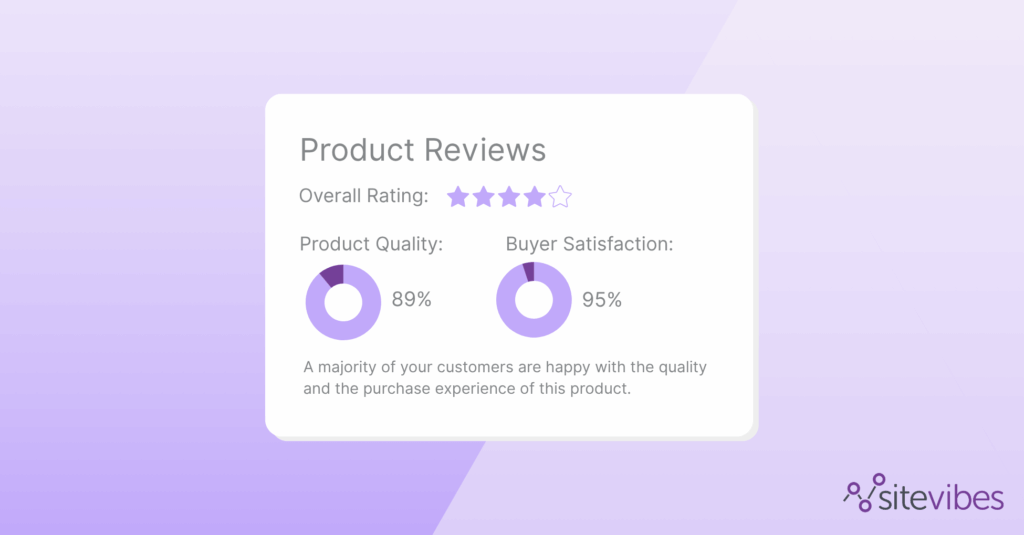
Ecommerce is an industry that always has a buzzword dominating the discussion: it was headless, it was composable, and now, it’s agentic. The thing is though, AI looks like it’s going to stick around for good, and reviews are leading the charge in getting the best information in the hands of potential customers.
Reviews Are Back In A Big Way
Though reviews are a must-have in the ecommerce tech stack, their time in the spotlight has long come and gone. Merchants make the investment because they understand that they need to, but they don’t feel the excitement they once did.
This appears to be changing, as we seem to have officially entered an era where customer reviews aren’t just social proof: they’re data for agentic commerce. They provide valuable training material for AI models, context for search engines, and a rich language set that helps generative systems understand why someone might love (read: purchase) a product.
This is what makes reviews so valuable in this new landscape: they’re the connective tissue between how people talk and how AI interprets intent.
From Social Proof to AI Signal
For years, reviews were used as a way to lift conversion. They helped validate purchases, nudged hesitant shoppers by building confidence in the purchase they were about to make, and added a layer of authenticity to otherwise “pretty standard” product pages. Now, in an age of AI-driven discovery, where search results, chat interfaces, and product recommendations are powered by large language models, reviews have become inputs, not just “outcomes.”
They provide keyword-rich data that teaches AI how products are perceived, described, and categorized. The more descriptive and abundant your reviews are, the more context AI systems have to associate your products with relevant queries, and the more likely they are to surface where customers are looking for answers.
In agentic commerce, where AI tools like ChatGPT and Google’s Search Generative Experience are actively curating results, reviews have become one of the most robust and most reliable data sources for understanding product quality, experience, and intent.
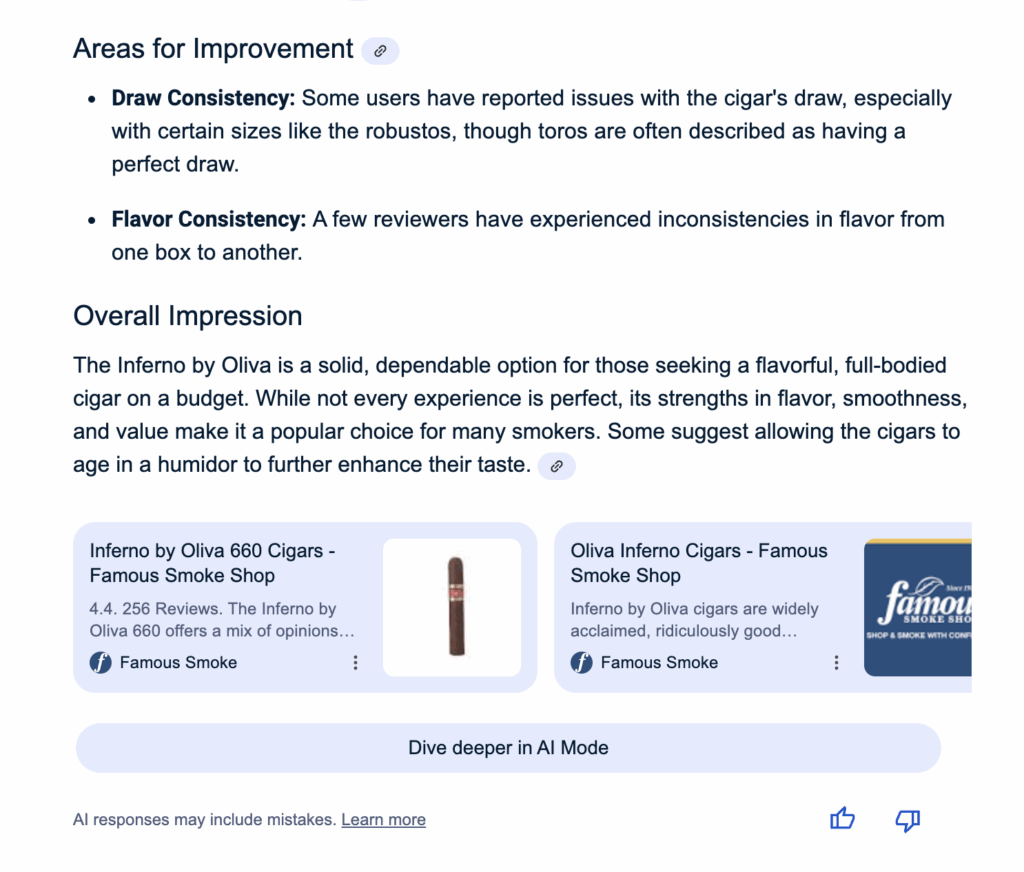
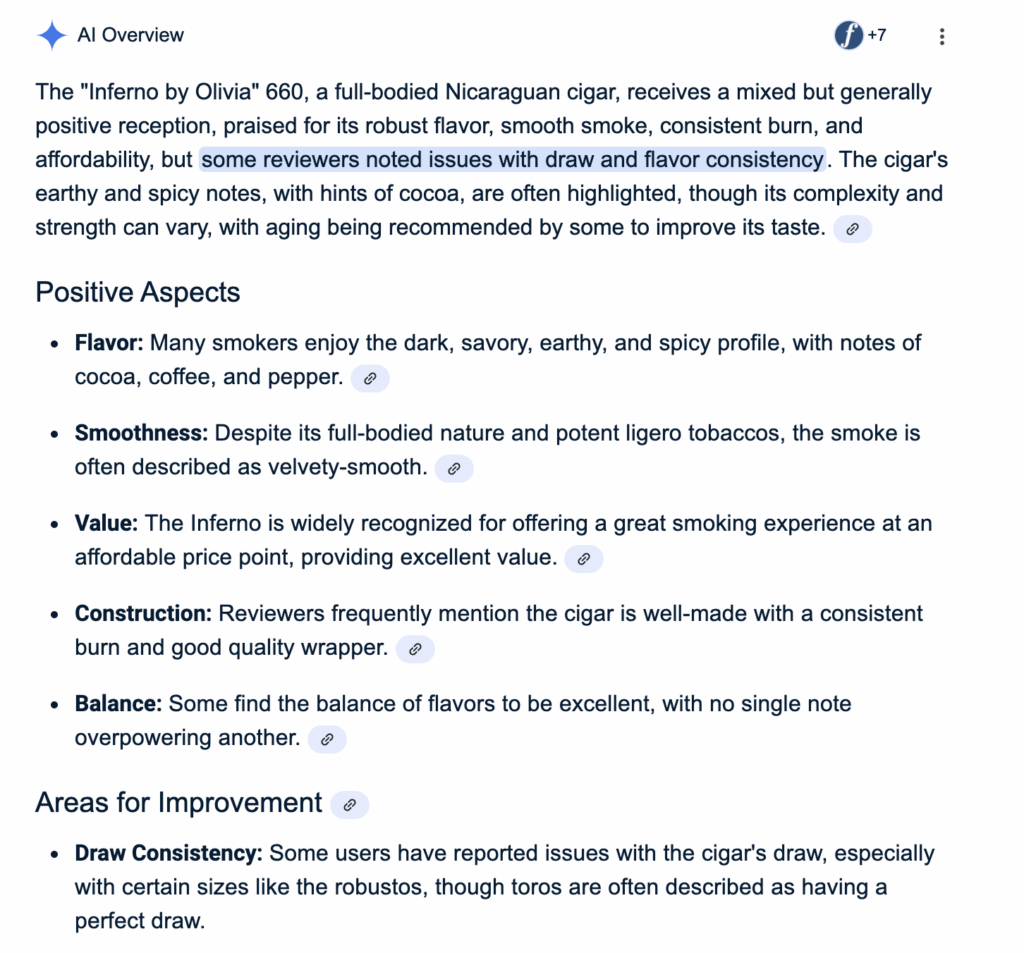
In the case of Famous Smoke, one of our customers, cigar-centric lingo in search translates to traffic. Phrases like “buttery,” “tight draw,” “perfect burn,” “runs hot”,: these all give AI the vocabulary it needs to make meaningful, human-sounding recommendations. The more reviews you have, and the more descriptive they are, the better your products perform in AI-driven search and discovery.
In other words: the brands winning in this next era won’t just have good products; they’ll have good data about their products, and that starts with reviews.
The New Forefront in Product Discovery?
A few weeks ago, Shopify made headlines when it announced a partnership with OpenAI. Their vision is one in which product discovery happens through conversation, not clicking around on an ecommerce site. Shoppers can now ask a chatbot what to buy, and it will pull real merchant data: descriptions, attributes, and reviews, directly into the chat experience.
In this way, reviews are becoming a critical conduit between product feeds and AI recommendations.
Reviews are the perfect training material for LLMs
You may have heard that Reddit is a big source of material for AI, and this is because the models are designed to prioritize natural language. In ecommerce, this means that they learn what people value in a product based on the most candid part of the site: the reviews. When hundreds of buyers describe a coffee maker as “quiet,” “easy to clean,” and “a perfect morning ritual,” those words become the shorthand for what future shoppers will see and hear in AI results.
Reviews improve search relevance
A big difference between traditional and AI search is that traditional search relies on keywords, whereas AI search relies on context. A review that mentions the experience of the product tells the system more than a product title ever could.
Reviews power personalization.
As AI tools get smarter, they’ll use aggregated review sentiment to tailor results to individual users. In the case of Famous Smoke, this means that AI would be recommending the “mild but aromatic” cigar to one shopper and the “full-bodied Maduro” to another.
What does this mean for you?
Reviews didn’t go anywhere, but their value is increasing. No longer hidden in the shadows or hoping for a rich snippet here or there, they’re quietly increasing your representation in generative search. The better your review data, the better your products perform in an AI-driven marketplace.
For brands, this means:
- Encourage depth, not just ratings. Ask customers to describe how they use the product, what stood out, and who it’s right for, and incentivize good reviews with loyalty points.
- Use structured prompts. Guide reviewers to mention specific attributes (taste, feel, quality, value) to provide a richer set of data for the AI models.
- Keep reviews fresh. Recency signals relevance, both to buyers and to AI models, so implement “review requests” and reminders as a part of your retention strategy.
- Integrate reviews everywhere. From product pages to feeds, ensure your review data is accessible to AI engines and structured in a machine-readable way. (Think of it as SEO, but for generative, I believe we’re calling it GEO.)
As agentic commerce continues to evolve, reviews will become the backbone of how AI understands products and the shoppers who buy them. In the age of AI, the words your customers use to describe your products may matter more than the ones you do. (And that’s not such a bad thing if you have the right tools in your case!)
Ready to see what a reviews refresh can do for your ecommerce business? Contact us, we’d love to chat.
